22
Jun
The Future of Digital Tools and Business Automation
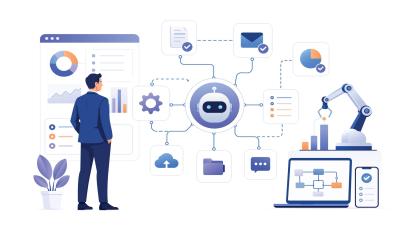
Technology is changing the way businesses work. Tasks that once required hours of manual effort can now be completed with the help of digital tools and automation. From managing customer messages to organizing daily work, modern technology is helping businesses become more organized, save time, and improve their services.
As technology continues to develop, digital tools and business automation will become an even bigger part of everyday business operations.
At Japocode, we believe technology should make work easier, not more complicated. Let's look at what the future of digital tools and business automation may bring.
1. More Businesses Will Use AI Tools
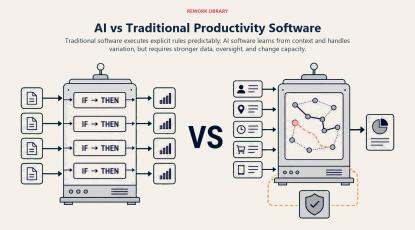
Artificial intelligence is becoming easier for businesses to access. In the past, advanced technology often required specialist knowledge and expensive systems. Today, many AI-powered tools are designed to be simple and practical.
Businesses can use AI tools to help with tasks such as writing content, organizing information, preparing reports, and responding to common questions.
In the future, these tools may become more closely connected to everyday business activities. This can help teams spend less time on repetitive work and more time on planning, creativity, and customer service.
2. Everyday Tasks Will Become More Automated
Many businesses still spend a lot of time on routine tasks. These may include sending emails, updating records, scheduling appointments, or moving information between different systems.
Automation can help reduce this manual effort.
For example, a business may set up an automated process to send a confirmation email when a customer completes a form. Another process could organize new enquiries and notify the right team member.
As automation tools improve, businesses will have more ways to connect their daily activities and create smoother workflows.
3. Digital Tools Will Work Better Together
Businesses often use several tools to manage different parts of their operations. One tool may be used for customer communication, another for project management, and another for storing information.
When these tools do not work well together, employees may need to enter the same information more than once.
Better integration can help solve this problem. Connected systems can share information and support a more organized workflow.
In the future, businesses may be able to connect more of their everyday tools, making it easier to manage information and complete tasks from one place.
4. Technology Will Become Easier to Use
Not every business has a technical team. Small businesses and independent professionals often need tools that are simple to understand and easy to manage.
This is why user-friendly design will remain important.
Future digital tools are likely to focus on clear instructions, simple dashboards, helpful features, and easier setup processes. The aim should be to make useful technology available to more people, even if they do not have advanced technical knowledge.
Good technology should solve problems without creating unnecessary confusion.
5. Businesses Will Focus More on Data and Better Decisions
Businesses collect information through sales, customer enquiries, website activity, and daily operations. Understanding this information can help them make better decisions.
Digital tools can organize data and present it in a clearer format. AI-powered features may also help identify patterns, summarize information, and support business planning.
However, technology should support human decisions rather than replace careful thinking. Businesses still need to check information, understand their goals, and use their own judgment.
6. Human Skills Will Remain Important
Automation can handle many repetitive activities, but successful businesses still depend on people.
Creativity, communication, problem-solving, leadership, and understanding customer needs are important skills that technology cannot fully replace.
The best approach is to use digital tools to support people. When routine work becomes easier, teams can give more attention to tasks that require experience, personal communication, and creative thinking.
7. Security and Responsible Use Will Matter More
As businesses use more connected tools and digital systems, protecting information will become increasingly important.
Companies should choose reliable tools, use strong passwords, control access to important information, and understand how their data is stored and processed.
AI-generated information should also be reviewed before it is used in important business decisions or shared with customers.
Using technology responsibly helps businesses build trust and avoid unnecessary risks.
Conclusion: Building a Smarter Digital Future
The future of digital tools and business automation is about making everyday work simpler, more connected, and more efficient.
AI software, automated workflows, and integrated digital systems can help businesses manage routine tasks and organize their operations. But the real value comes from choosing the right tools and using them for the right reasons.
Businesses do not need to change everything at once. They can begin with one small task, identify where time is being wasted, and explore a practical digital solution.
At Japocode, our focus is on AI software, digital tools, and business automation that help make modern work smarter and easier.
The future is not just about using more technology. It is about using technology in a better way.
Share
Latest blogs